I’m just going to ramble here so if you have something better to do just ignore this.
I often wonder what happened to all the old pens. I know that there are many around but it’s just a fraction of what once existed. The very oldest ones, from 1880 to 1915, were replaced by more convenient pens with a lever on the side. No doubt those who had a high quality eyedropper, the Parkers and Sheaffers, Swans and Conway Stewarts, carefully placed them in a drawer rather than just throwing them away. A proportion of those pens survived the intervening century and those are the ones that have come down to us today.
In those years when the fountain pen dominated permanent writing, pens may have been replaced when the latest shiny object came along, but in reality there were few improvements in fountain pens. Feeds improved a little, but they were already pretty good by 1920. During that period we can see that interesting phenomenon: the utterly worn out fountain pen. I had a Waterman that I wrote about some time ago which was so worn that the chased pattern had completely disappeared where the owner’s fingers gripped. The tipping material was on its last thousandth of an inch and it was completely flat-spotted into the writer’s angle of writing. Clearly, the owner had seen no advantage in changing this useful tool for a new one despite all the pretty celluloid and new, exciting shapes. That pen was an unusual survivor. There must have been many pens that were used to death and they would have been thrown away.
It’s true, of course, that the various innovations that came along – the Vax, the Touchdowns, the Leverlesses and so on didn’t write any better. They were all about how to get ink into the pen, an act that takes seconds while even a fill for a lever filler will last for days for most people. The importance of these innovations was overestimated as is shown by the survival of the lever filler right to the end of the mass production of fountain pens.
The huge abandonment of fountain pens was in the nineteen fifties when the ballpoint became king. It was so convenient that it replaced not only the fountain pen but also, to a great extent, the pencil, whether mechanical or wooden.
Fountain pens were set aside and many of the of lesser brands appear to have been just junked. There was quite a long period, perhaps up to the advent of eBay, were the value of fountain pens was not recognised and when houses were cleared they were thrown away.
There was – and is – the pernicious practice of pulling out nibs for their scrap value. Usually the rest of the pen is thrown away but there have been sellers in eBay who consistently offered pens for sale with no nibs. Hanging is too good for them.
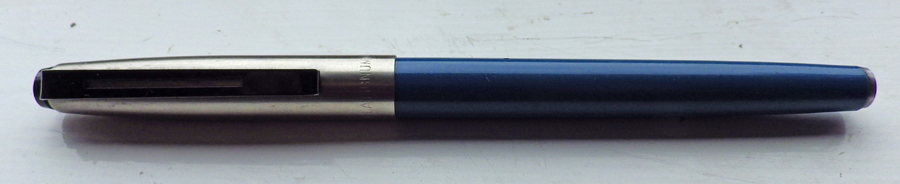
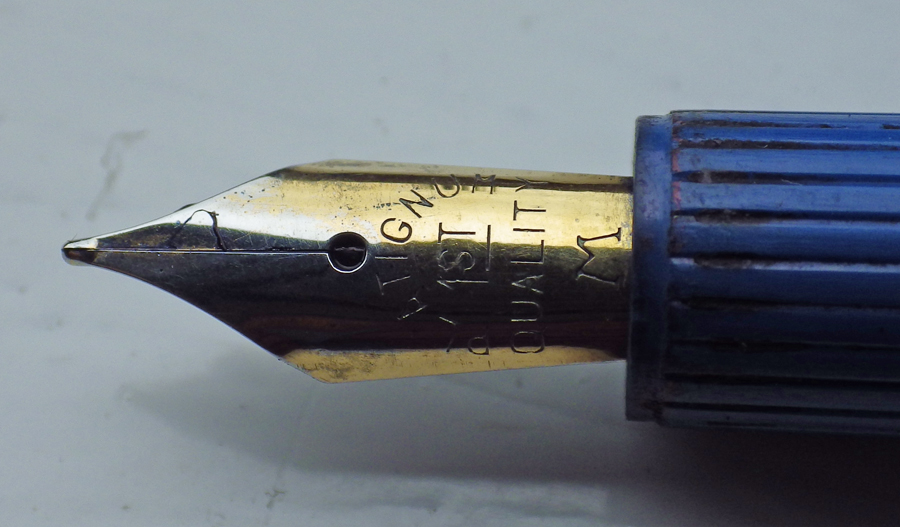
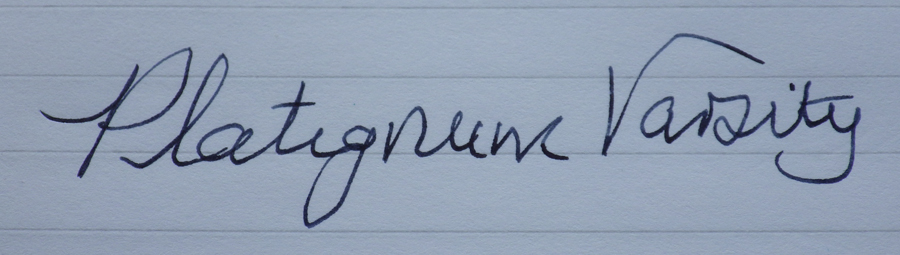
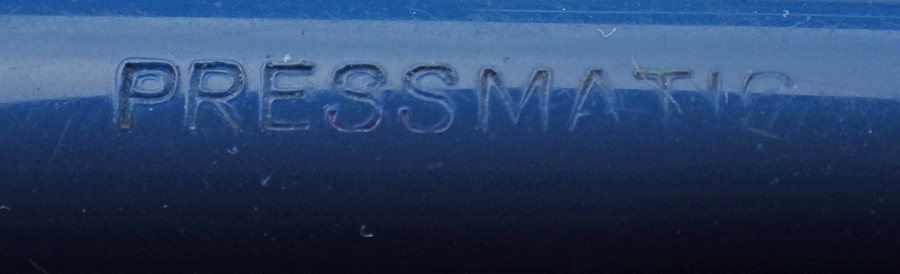
The old pens that have escaped all that and have come down to us in repairable condition are precious objects even if they are only Platignums or Novas. I had a battered black New Bond Easiflow, Woolworths best, but made by Langs and a sound pen. Cleaned up and polished, with a new sac and a tuned nib it was an excellent writer and a pen that would give good service for another generation. There are not many other seventy-year-old objects that retain such value with so little effort.






 Goodwriterspens's Blog