How do we evaluate modern nibs? They are quite different from the old ones I handle every day but they are not all the same. We are entitled to criticise those modern nibs that we find identifiable faults with, but they are not all guilty of the same difficulties.
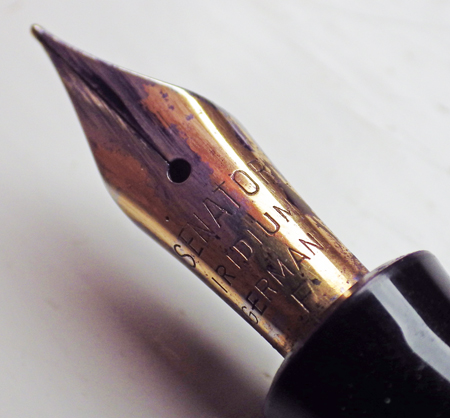
Without going into the details of traditional and current nib-making (which I couldn’t really do anyway) the main thing that stands out is that the older nibs had a considerable degree of individual hand-work. If I were to collect a dozen pens with the Swan No 1 nib, I can confidently say that no two would behave exactly the same. This is not true of modern nibs.
One of the complaints that frequently comes up in discussion is that modern nib manufacturers do not produce flexible nibs. Some have tried but most users maintain that the results do not compare with old nibs. Why is that? I suppose there are many reasons. One of them is not that modern nib manufacturers cannot make flexible nibs. Of course they could. The main reason they do not do it is because the demand is not really there, or at least not at a level that would make such production cost-effective. Most modern fountain pen buyers don’t care about flex. Those that do are best served by vintage pens or dip nibs.
What else? Many complain about the big blobs of tipping material on some nibs, often polished to the point where there is no possibility of feedback. Some say that these nibs are made now to cater for those who grew up using ballpoint pens and cannot adapt their writing style to use “proper” fountain pen nibs. That’s not entirely true, though it contains some truth. Big blobs of tipping material have appeared on nibs since time immemorial. There was a demand for them long before the ballpoint was thought of. It is true, however, that such tipping is much more common now, especially on pens designed and/or manufactured in the West. I think that it’s true that this style of nib does, to an extent, cater to those who cannot change their style of writing from the ballpoint. Is it wrong to provide a nib for that section of fountain pen users? Such users must be quite common, common enough to justify the lump of tipping material.
I think the complaints could only be justified if other nibs were not available. I dislike that kind of nib myself but I have no difficulty in finding modern pens that have nib tipping that I like. So far as brands go, I have success with Sailor and Pilot – and probably lots of other manufacturers I haven’t tried. After all my main interest is in vintage pens. I’m writing this with a 1930s Parker with a fine oblique nib which is an absolute charm.
And thereby lies another solution: even the brands which turn out ball-end nibs often offer other styles, at least some of which will work well – italics, stubs, obliques, fine and extra-fine nibs which may suit better.
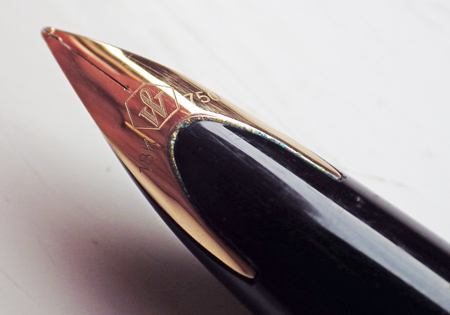
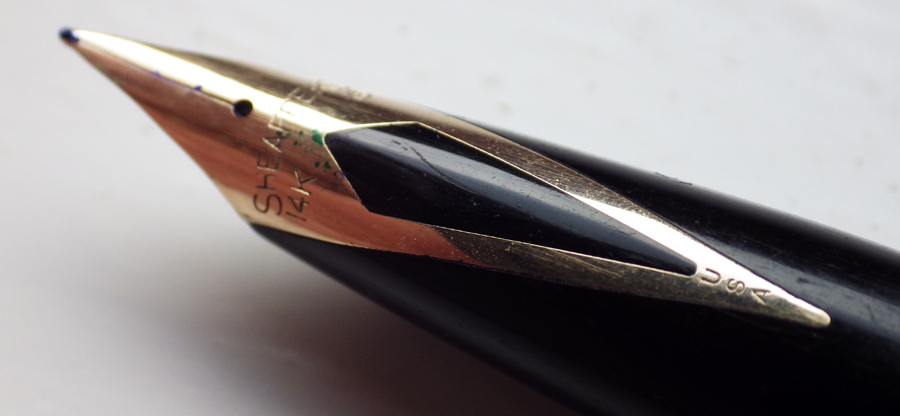
Make no mistake about it; I remain convinced that the best writing experience comes from pens made before 1960. I agree that there are some manufacturers out there today – some of them household names – who make pens with nibs that are unsatisfactory for people who have skill and long experience in writing with fountain pens. But there are superb new nibs too.













 Goodwriterspens's Blog